Acropolis of Athens
Athens · GR
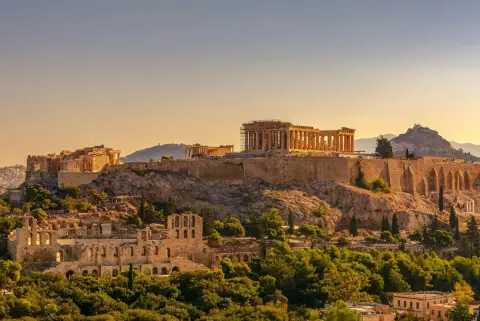
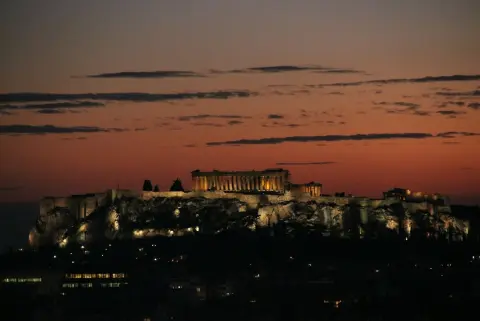
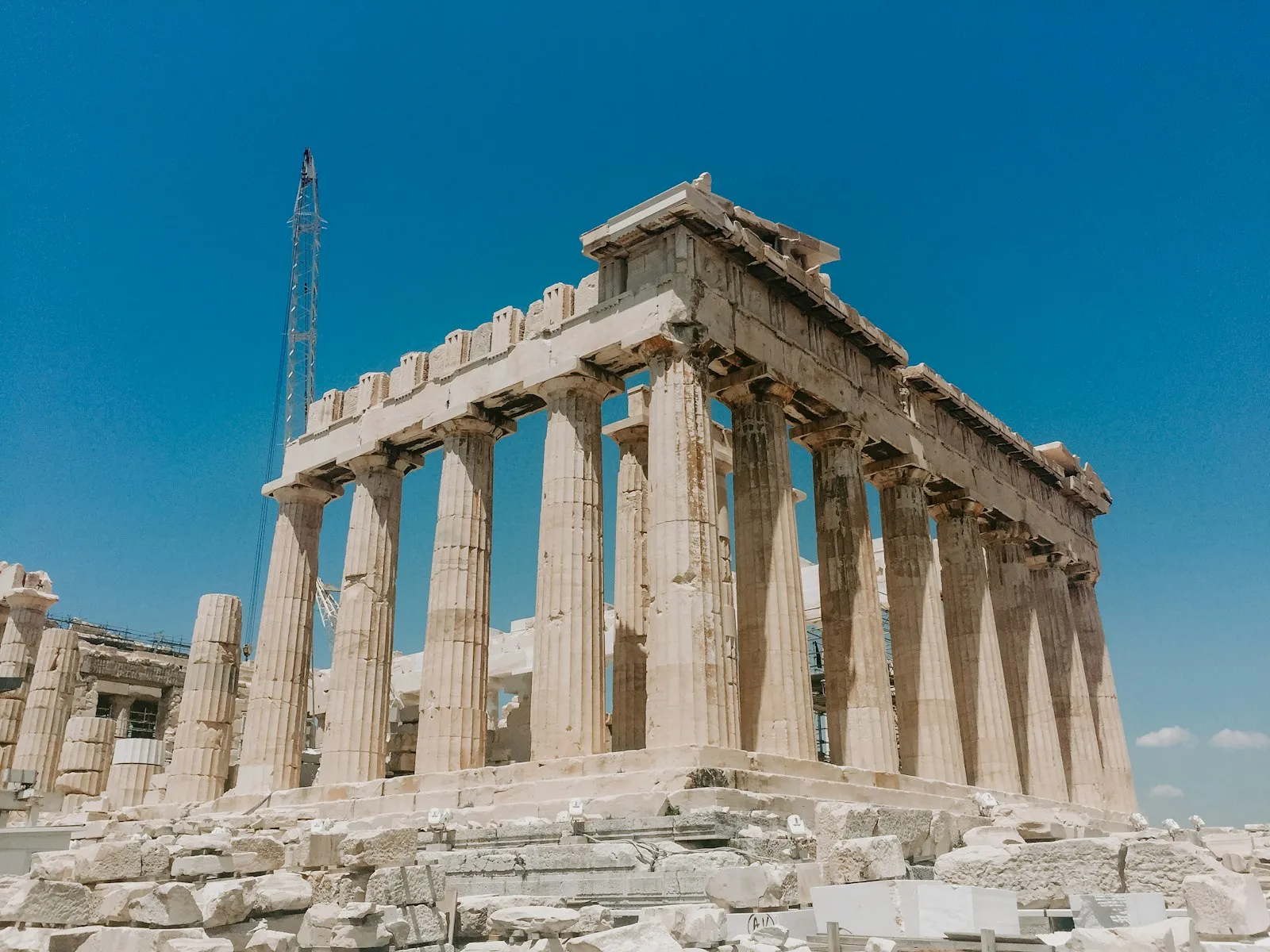
Ancient hilltop citadel with the Parthenon, temple of Athena, and the Erechtheion.
On the map
Acropolis Hill, Athens 105 58, Greece
2,500 years of one rock
The Acropolis ('high city') is a 156 m limestone outcrop fortified since the Mycenaean period (1600 BC) and rebuilt as a sacred site after the Persian sack of 480 BC. Pericles funded the current ensemble between 447 and 406 BC: the Parthenon (temple to Athena Parthenos), the Erechtheion (with the Caryatid porch), the Propylaea (monumental gateway) and the small Temple of Athena Nike. UNESCO calls it 'the single most iconic site of European antiquity.'
What you see on the rock
Climb the west slope through the Propylaea, pass Athena Nike on your right, and the Parthenon dominates the next 150 m. The original frieze sculptures (the Parthenon Marbles) are split between London (60 %, at the British Museum, controversial since 1816) and Athens (40 %, at the Acropolis Museum below). The Caryatid porch sculptures are casts — the five surviving originals live in the museum to escape pollution. Allow 2 hours on the rock; 3 hours with the south slope (Theatre of Dionysus, Odeon of Herodes Atticus).
Tickets, timing and survival tips
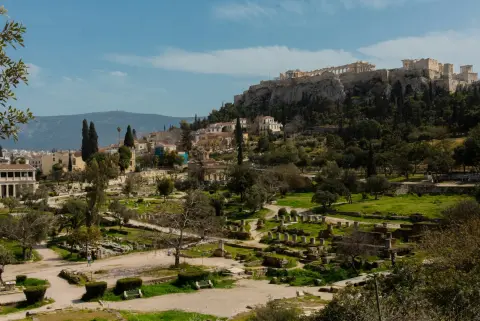
Standard ticket €20 (Apr–Oct) / €10 (Nov–Mar). The Acropolis Combo Ticket (€30, 5-day pass for Acropolis + 6 other sites including Roman + Ancient Agora) is the smart buy. Open daily 08:00–20:00 in summer, until 17:00 in winter. The rock is searingly hot in July–August — go at the 08:00 opening or after 17:00. No food, drink other than water, or large bags. Wear grippy shoes — the marble is polished smooth by millions of feet and treacherous in rain.